Zirui (Iris) Chen

Machine Learning · Computer Vision
Multimodal LLMs · Geospatial Analysis
MASc in Systems Design Engineering
University of Waterloo · 2026 - Present
Projects
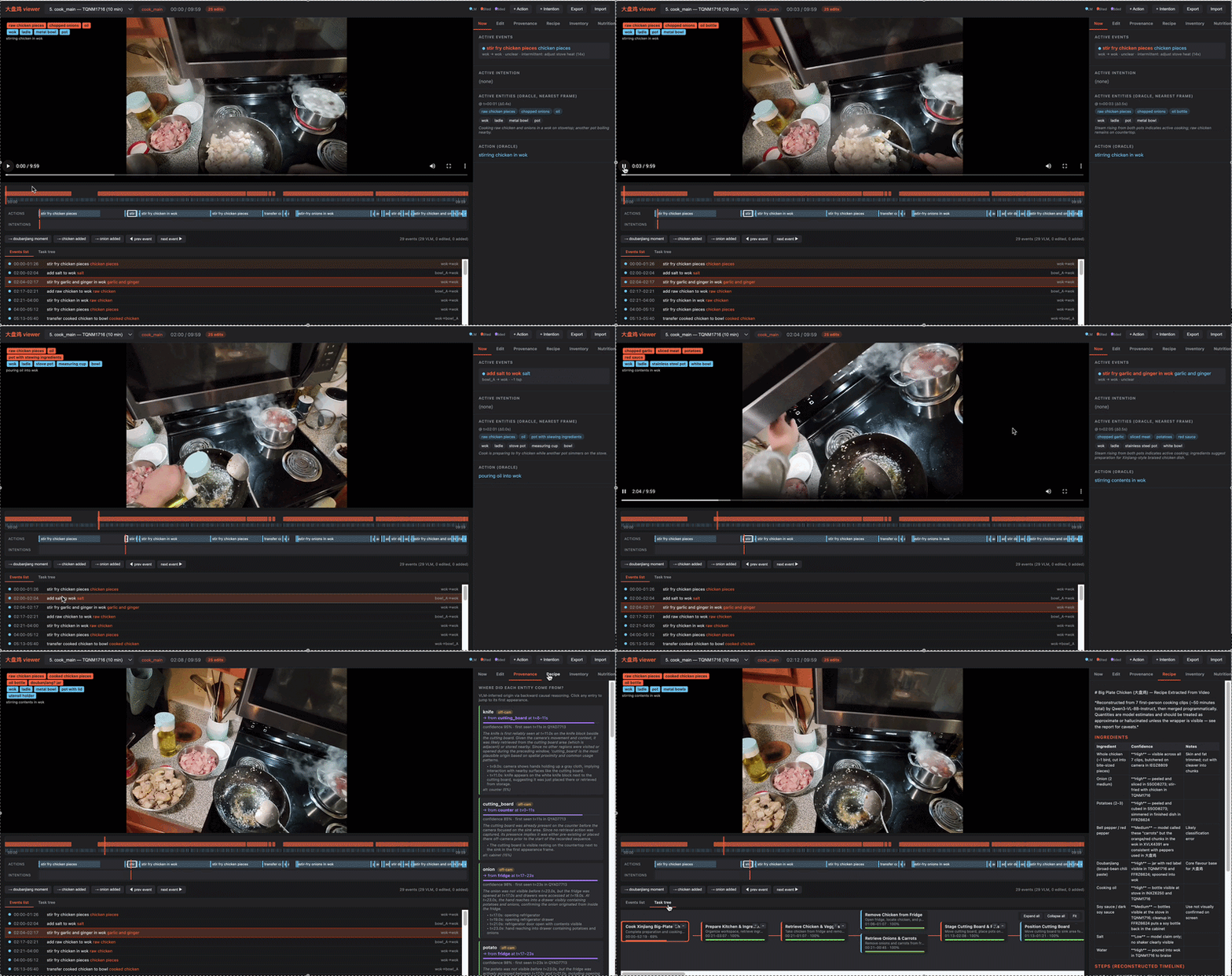
Egocentric Cooking Video Analysis
This project investigates how vision-language models can transform long, untrimmed egocentric cooking videos into structured representations of cooking processes. I developed a VLM-based evaluation pipeline for fine-grained action recognition, while ongoing research links action sequences with object identity, location, and physical state to study causal provenance and refine uncertain predictions.
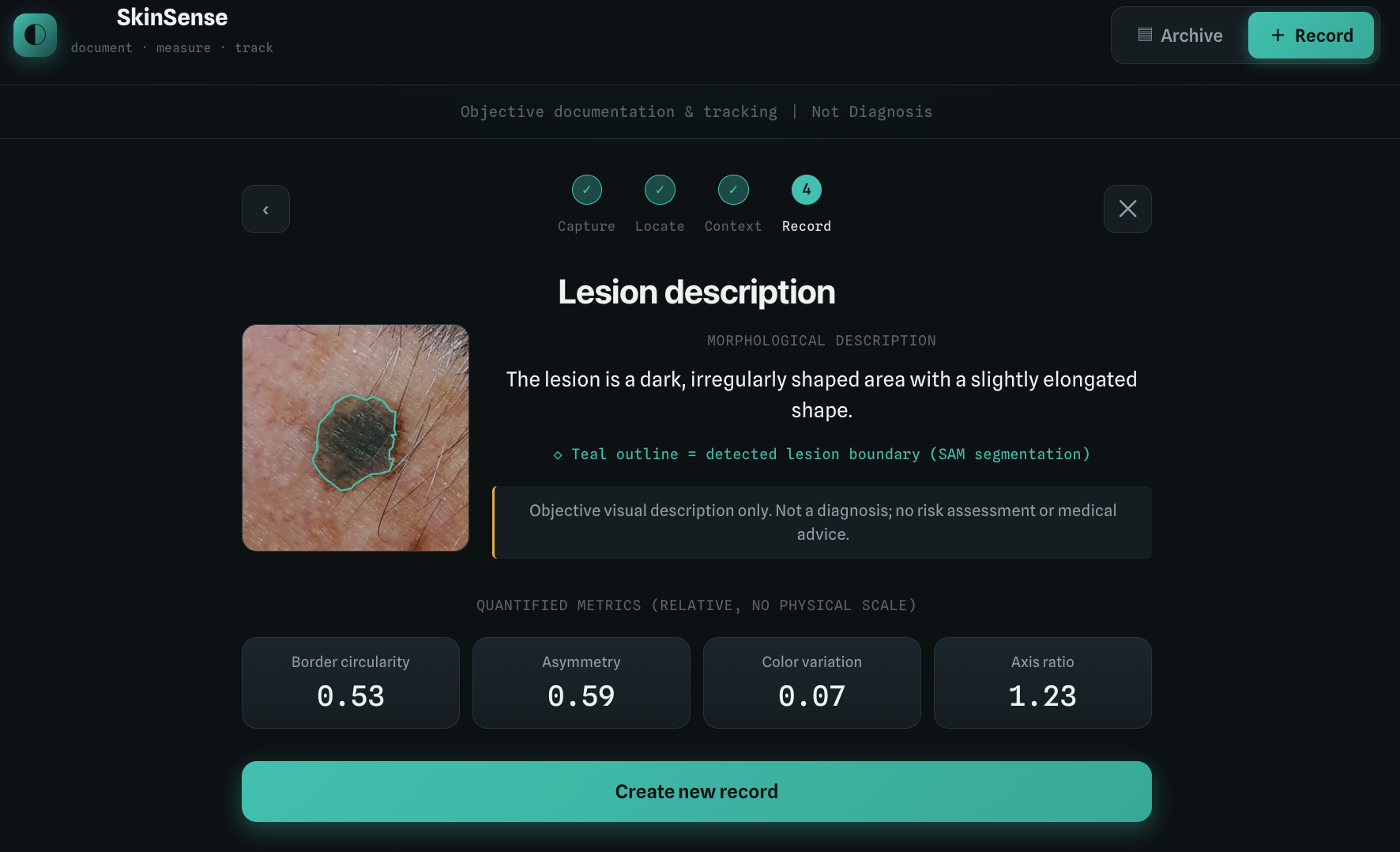
SkinSense: AI-Assisted Skin Lesion Documentation and Tracking
We developed SkinSense, a non-diagnostic, AI-assisted platform for documenting and tracking skin lesions over time. It organizes images, symptoms, and visible changes into longitudinal records that support communication with healthcare professionals. The system combines computer vision–based lesion segmentation and measurement with multimodal AI to generate consistent, non-diagnostic visual descriptions.
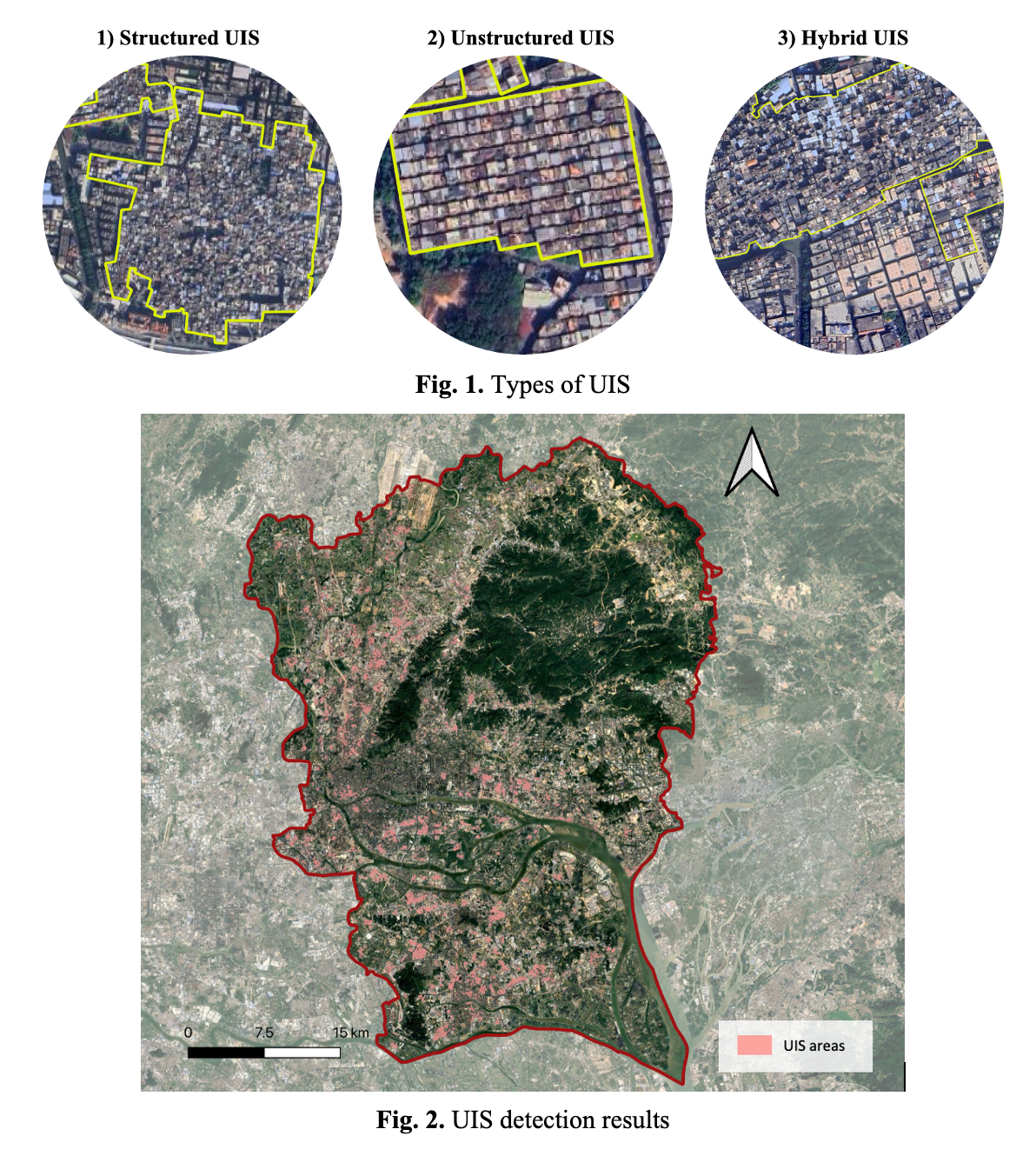
Urban Informal Settlement Detection
We developed a machine-learning framework that combines Sentinel-2 imagery with multi-scale spectral, textural, and structural features to map urban informal settlements across Guangzhou. The best-performing model achieved 93% overall accuracy, demonstrating a scalable approach to large-area urban analysis.
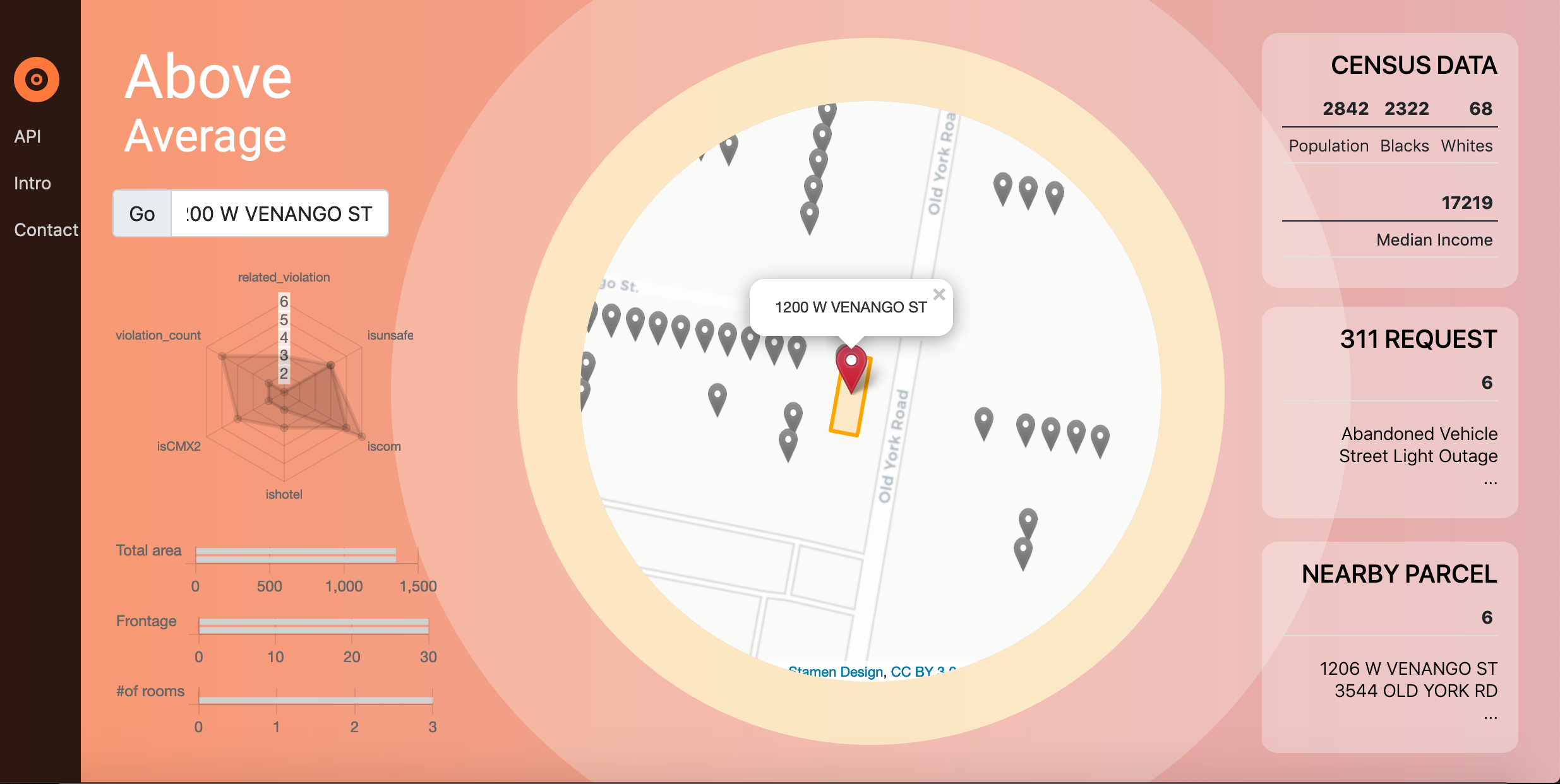
Fire Response Situational Awareness Platform
We developed a citywide fire-risk assessment API to support situational awareness for the Philadelphia Fire Department. The system combines machine learning–based risk modeling with geospatial data integration to provide on-demand parcel information and fire-risk assessments through an interactive web application.
Train Occupancy Prediction
We developed a spatial train-occupancy prediction framework for Belgium’s rail network. The system combines multinomial logistic regression, rail-network analysis, and cost–benefit evaluation to forecast occupancy levels and support service-planning decisions, achieving 80% overall accuracy.

We also designed SmartOccupancy, a web-based decision-support tool for identifying capacity imbalances and evaluating service adjustments. Watch the project video

Page template forked from evanca